A Designer's Take on the Beautiful House Near Ocean Embroidery File
When you're in the business of embroidery, whether for your craft brand or for client projects, every design file is a potential product. You're not just looking at a picture; you're visualizing stitches, fabric textures, and ultimately, customer reactions. The Beautiful House Near Ocean embroidery design landed in my library recently, and I approached it with that practical mindset. Here’s my judgment, from the perspective of someone who needs designs to perform in real life, not just look good on screen.
The Immediate Mood and Where It Naturally Belongs
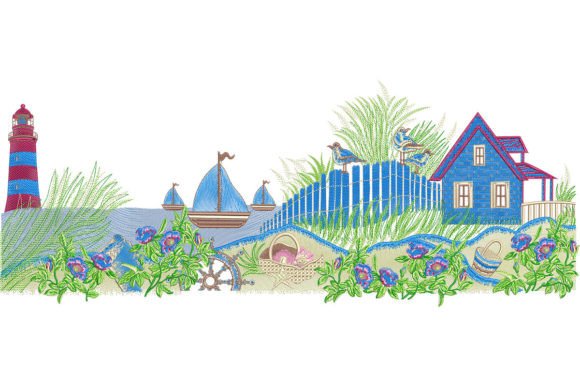
The first impression is exactly what the title promises: a serene, inviting beach house scene. It’s not a chaotic, overly detailed nautical chart; it’s a peaceful, almost nostalgic vignette. This mood is its biggest strength. The layout feels balanced, with the house as a clear focal point. For embroidery, this means the design has a strong visual center that will read well from a distance—a crucial point for items like tote bags or sweatshirts where the wearer is moving. The personality is gentle and classic, steering away from trendy or kitschy. It doesn’t scream "vacation" aggressively; it whispers it. This makes it incredibly versatile for personalized gifts, like a pillow cover for a friend who loves the coast or a baby item for a nursery with a beach-themed name.
Thinking Through a Real Project: The Custom Tote Bag
Let’s walk through a typical scenario. I’m considering this design for a lined canvas tote bag, a staple in my small shop’s summer collection. My concern isn't just if it's pretty; it's about stitch clarity on a textured fabric and whether the final product feels valuable. The Beautiful House Near Ocean design, with its likely combination of fill stitches for the house and greenery and finer details for the outlines, should translate well. The scene isn't overly dense, which is good for bag fabric that might be slightly coarse. I imagine the finished tote: the house will pop, the ocean lines will provide nice linear detail, and the overall effect will be clean and professional. That’s the kind of finished product that builds customer trust—it looks carefully made, not hastily stitched.
Performance Across the Product Spectrum
This design’s true test is how it adapts across different applications. For custom apparel like sweatshirts and t-shirts, its moderate detail level is promising. On a dark fabric, with careful thread color selection for contrast, it could become a striking statement. For home décor—think tea towels or aprons—it fits that "subtle kitchen charm" category perfectly. As an embroidered patch, it would be absolutely charming, especially if applied to a denim jacket or a backpack, offering that handmade, personalized feel.
For baby embroidery on blankets or little rompers, the gentle theme is a safe and lovely choice. In the realm of holiday gifts or wedding gifts for a couple who loves the sea, it carries a thoughtful, non-generic message. From a commercial standpoint, for an Etsy seller or craft fair vendor, this design fills a niche. It’s a specific scene (Beach Nautical) but with a universal, calming appeal. It would photograph well for printable mockups and listings, helping with buyer engagement because the story is clear: a peaceful retreat.
Where to Exercise Caution
Every design has its limits, and a professional review must highlight them. The Beautiful House Near Ocean design, depending on its actual stitch construction, might need careful handling on certain projects. If there are very small details—like tiny windows or delicate roof lines—they could get lost on textured fabrics or in very small hoop sizes. Stitching it on a cap or other curved surface requires extra attention to stabilizer and possibly reducing detail density to prevent puckering.
On thin fabric or stretchy fabric, the overall stitch density will be key. A overly dense fill stitch area could make a lightweight t-shirt stiff. Embroidering on dark fabric backgrounds is always a considered choice; you must ensure the thread palette has enough bright contrast to keep the house from looking muddy. For items needing frequent washing, like kitchen towels, a robust stabilizer choice and secure stitching are paramount to longevity. This isn't a criticism of the design itself, but a reminder that its success depends on pairing it with the right technique and product.
The Impact on Your Craft Business and Process
Using a design like this isn't just about the stitch; it's about your brand and process. When a design has clear visual appeal and stitching clarity, it elevates the perceived product value. A customer sees a tote bag with this scene and thinks "handmade," not "homemade." That’s a crucial distinction for creative entrepreneurs. It supports brand consistency if you specialize in coastal or tranquil themes. As a personalized gift, it feels intentional and special, boosting its giftability.
From a practical workflow standpoint, here are my designer notes for using this machine embroidery design:
- Always test the design on scrap fabric first, using the same material as your final project.
- Check thread color contrast thoroughly, especially if deviating from the suggested palette.
- Review the stitch density in your software; be prepared to adjust if necessary for delicate fabrics.
- Confirm the required hoop size before starting any project to ensure the design fits your intended item.
- Inspect small details in the file; are there single-run lines that might need reinforcement for durability?
- Test it in black and white mockups to see how the composition holds without color.
- Compare how it looks conceptually on both light and dark fabric backgrounds.
- Use the proper stabilizer for your chosen fabric—this is non-negotiable for clean results.
- Most importantly, check whether the design works for both personal and commercial projects and confirm the licensing terms before selling finished items. This step protects your craft business.
The Beautiful House Near Ocean embroidery file is, in my assessment, a solid design asset. It carries a mood that resonates, a composition that should stitch out cleanly, and a versatility that suits many product types. It won't be the right choice for every single embroidery project—no design is—but for those seeking a classic, peaceful beach scene, it provides a great foundation. Your skill in pairing it with the right fabric, thread, and stabilizer will turn that foundation into a finished product that truly feels like a work of art.