Soccer Ball Split: A Designer's Take on a Sporty, Clever Embroidery File
First Impression: More Than Just a Ball
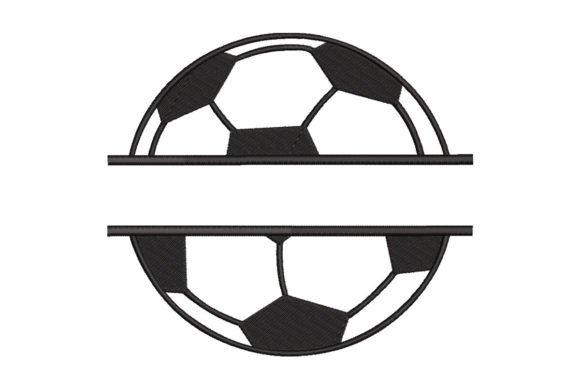
When you first look at the Soccer Ball Split embroidery design, you see a familiar shape, but with a clever twist. It’s not a standard soccer ball graphic. The split concept introduces an artistic, almost abstract layer to a classic sports symbol. This immediately sets it apart from generic sports logos. The mood it creates is dynamic and modern—it feels energetic yet thoughtfully designed. It has a visual personality that suggests movement and duality, which is perfect for projects where you want to convey passion for the game without using a straightforward, predictable image. My instinct tells me this design naturally belongs on items for the enthusiast, the player, or the creative gift-giver who appreciates a sporty aesthetic with a bit of flair.
The Perfect Project Match: Where This Design Shines
In real-life embroidery situations, this design’s strength is its versatility within a specific theme. For custom apparel, like a premium sweatshirt or a team parent’s t-shirt, it adds a personalized, sophisticated touch. Imagine it stitched on a tote bag for a soccer coach—it’s professional and unique. As a embroidered patch, it could be fantastic for a club jacket or bag, offering a clean, recognizable badge. For baby clothes or nursery decor for a soccer-loving family, it’s a playful yet stylish choice. It would look excellent on a kitchen towel or apron in a sport-themed home, or as a standout element on a pillow cover. For small business merchandise, an Etsy seller specializing in sports gifts could use this on a canvas, a blanket, or a cap. It has that giftability factor—it feels special enough for a wedding gift for a soccer fan couple or a holiday present. In printable mockups for digital product previews, its clean lines and interesting shape would showcase well, helping attract buyers looking for a fresh embroidery file for their craft business.
A Scenario: Crafting a Boutique Tote Bag
Let’s walk through a real case. I’m preparing a custom embroidered tote bag for a small boutique that sells sport-themed lifestyle products. I choose the Soccer Ball Split design. The split aesthetic gives it an artistic edge that aligns with the boutique’s brand of being stylish and sporty. On the bag’s canvas, I envision the satin stitch and fill stitch areas creating a bold, clean graphic. The design isn’t overly dense, so it should stitch out cleanly without weighing down the fabric. A customer seeing this on the finished product would likely react to its cleverness—it’s recognizable but not obvious. It adds product value and supports brand consistency for the shop. It feels professional and handmade in the right way, boosting customer trust in the craftsmanship.
Careful Application: Where to Mind the Details
While versatile, any design has optimal applications. For the Soccer Ball Split, you should be thoughtful on small hoop sizes. If the design has intricate details in the split or the ball’s pattern, a very small stitch area might lose clarity. On highly textured fabrics like some blankets or on stretchy fabric like performance tees, using the correct stabilizer is paramount to keep those clean lines sharp. Embroidering on dark fabric will require good thread color contrast planning—perhaps using bright whites and contrasting colors for the split effect to pop. On curved surfaces like caps, the design’s shape would need to be evaluated for placement to ensure it doesn’t get distorted. Also, for products that need frequent washing, like baby items or kitchen linens, a well-digitized design with balanced stitch density will hold up better over time. Always test it on a scrap of your intended fabric first.
Practical Notes for the Embroidery Designer
Before running this file on a final project, here’s my routine. First, I always test the design on scrap fabric. This tells me everything about its real performance. I check the actual stitch density—is it too heavy for lightweight fabrics? I inspect the small details, especially around the split concept, to ensure they stitch out cleanly without jumps or awkward fills. I confirm the effective hoop size needed by stitching it out; the product description doesn’t list specifics, so this test is crucial. I then test it in black and white mockups to see its form without color, and I compare light and dark fabric backgrounds digitally or with actual samples to plan my thread palette. Using proper stabilizer for the fabric type is non-negotiable. Finally, since many of us are using designs for commercial embroidery or selling finished items, I must confirm licensing before selling any handmade product or listing it on my Etsy shop. The description provided doesn’t specify license terms, so that’s a step I absolutely advise you to take.
Affecting Appeal and Engagement
Using a design like Soccer Ball Split impacts the final product’s appeal significantly. Its stitching clarity on a finished sweatshirt or bag directly influences how professional it looks. A clean stitchout enhances the handmade presentation, making it look deliberate and skilled, not amateur. This builds buyer engagement—people are drawn to well-executed, interesting designs. For a digital embroidery file seller, having a design with this kind of clever visual personality means your design assets stand out in a marketplace. It can become a key part of a craft business’s offering for sports enthusiasts. In the end, it’s a design that, when applied thoughtfully, tells a story—of love for the game, of artistic interpretation, and of quality craftsmanship.
A Final, Realistic Thought
The Soccer Ball Split embroidery design offers a fresh take on a sports theme. It’s not just another ball; it’s a conversation starter. For the embroidery designer, small business owner, or hobbyist, it provides a tool to create products that feel current and considered. Whether you’re making a personalized gift for a fan, adding a new product line to your small shop, or simply exploring a fun embroidery project, this file has the potential to elevate your work. Just remember the practical steps: test, plan your fabric and thread, and always know the rules of use. Then, let that dynamic, split ball do its sporty, artistic thing on your next great project.