A Chihuahua Embroidery Design for Crafters & Small Businesses
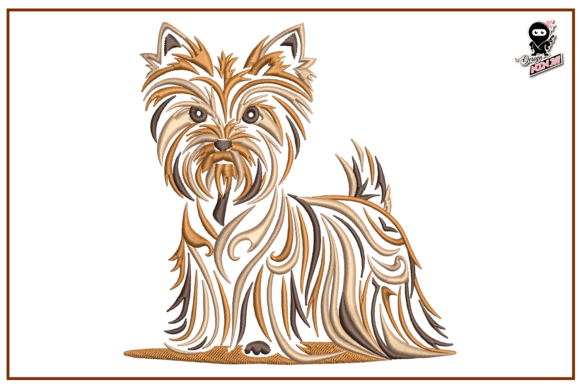
When you’re browsing for a new embroidery file, especially in the Dogs category, the first impression is everything. You’re looking for a design that not only stitches out cleanly but also connects with people. This Chihuahua Dog design immediately strikes me as having a very specific, charming personality. It’s not just a generic dog outline; it feels alert, a little playful, and full of character. That’s a great starting point.
The Mood & Personality: What This Design Says
This machine embroidery design has a compact, detailed shape. I can visualize it as a small, proud emblem. The theme is clear—it’s a breed-specific portrait, which means it has built-in recognition and appeal for dog lovers. The layout feels balanced, and the detail level suggests it would rely on a combination of satin stitch and fill stitch to create definition. This isn’t a minimalist graphic; it has a visual personality that leans towards cute and spirited. For me, this naturally belongs on projects meant for personalization or as a gift for a particular person. Think of a client who wants their pet’s breed on a custom apparel item, or a crafter making a personalized gift for a Chihuahua owner.
A Real Project Scenario: The Boutique Tote Bag
Let’s walk through a real case. Imagine I’m preparing a batch of embroidered tote bags for my small shop. I want them to feel high-quality and special. I’d choose this Chihuahua Dog design for a bag aimed at pet owners. My immediate thought is about how it will stitch onto the canvas or cotton fabric. The stitch density will be key here; a too-dense fill might make the bag stiff, while clean outlines will keep it looking crisp. I’d also think about my customer’s reaction. They’d see it not just as a dog, but as their dog. That emotional connection increases the perceived value of the finished product instantly.
Where This Design Performs Best
This embroidery file has a versatile size and style. It would shine on:
- Custom apparel like sweatshirts, t-shirts, or jackets where it acts as a focal point.
- Embroidered patches, perfect for hats or bags.
- Home decor items like pillow covers or tea towels for a kitchen.
- Baby embroidery on blankets or nursery decor, especially for families with a beloved pet.
- Holiday embroidery as a personalized Christmas gift.
- Small business merchandise, from Etsy listings to craft fair products.
It also works beautifully for digital product previews and printable mockups, helping digital embroidery file sellers showcase their offerings. The design’s clear shape lends itself to strong branding for a pet-themed boutique.
Careful Considerations for a Clean Stitch Out
Like any detailed design, it requires some forethought. I’d be cautious on:
- Very small hoop sizes if the design isn’t optimized for them. Tiny details might get lost.
- Highly textured or stretchy fabric without the right stabilizer.
- Thin fabrics where dense stitching could cause puckering.
- Dark fabric backgrounds—you’ll need to carefully plan thread colors for contrast.
- Curved surfaces like caps, where the design’s shape might need slight adaptation.
The goal is to preserve that charming personality through clean stitching. A poorly executed stitch on a difficult substrate can undermine customer trust and the handmade presentation.
The Practical Impact on Your Business & Projects
Using a design like this isn’t just about the stitch; it’s about the entire outcome. A well-embroidered Chihuahua on a high-quality tote bag elevates the product’s value. It feels professional and intentional. For a craft business, this consistency across products builds your brand. For personalized gifts, it creates that “wow” moment of recognition. The design’s specificity makes it highly giftable. It also engages buyers directly—they aren’t just looking at a generic decoration, they’re seeing something that resonates with their personal life.
Embroidery Designer Notes: My Pre-Stitch Checklist
Before I ever load this file for a client project or my own small shop product, I follow a practical routine:
- Always test on scrap fabric first, ideally a similar weight and texture to my final project.
- Check thread color contrast for both light and dark backgrounds. I might even stitch a sample in black and white to see the pure form.
- Review the stitch out to inspect small details like ears or eyes. Are they clear?
- Confirm the actual hoop size needed with a test run.
- Use the appropriate stabilizer for the final fabric—this is non-negotiable for clarity.
- Critically, I verify the licensing. Can I use this for commercial embroidery projects and sell the finished items? I never assume.
These steps separate a hobby experiment from a reliable embroidery project for a business. They ensure the design’s visual appeal translates into stitching clarity and a product you’re proud to sell or give.
Final Thoughts: A Design with Character
This Chihuahua Dog embroidery design succeeds because it has character. It’s not just a technical file; it’s a little portrait. When you choose it for a custom apparel order, a holiday embroidery gift, or a line of boutique branding products, you’re leveraging that personality. My advice is to match it with projects where that personality will be appreciated—items meant for connection and personal touch. Do your practical homework on the fabric and licensing, stitch it with care, and it will become a delightful and professional design asset in your toolkit.