A Practical Review of the Baby Jesus Born Redwork Embroidery Design
The Quiet Power of a Redwork Christmas Design
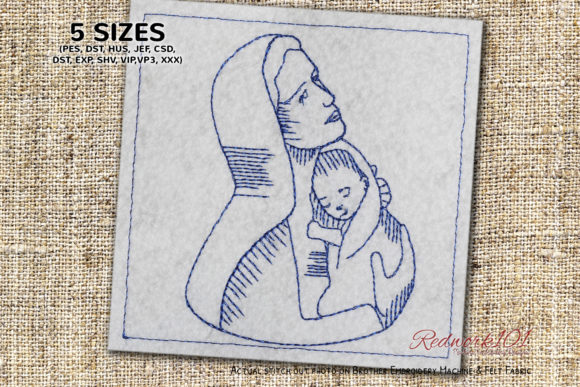
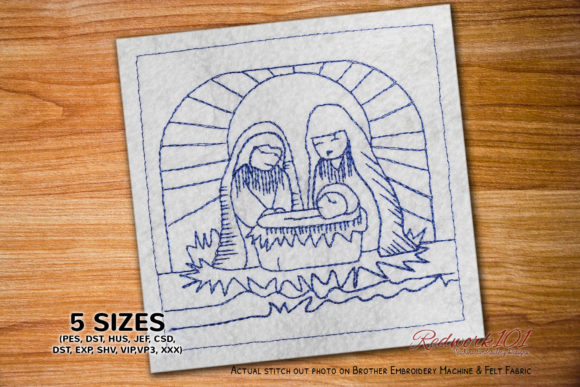
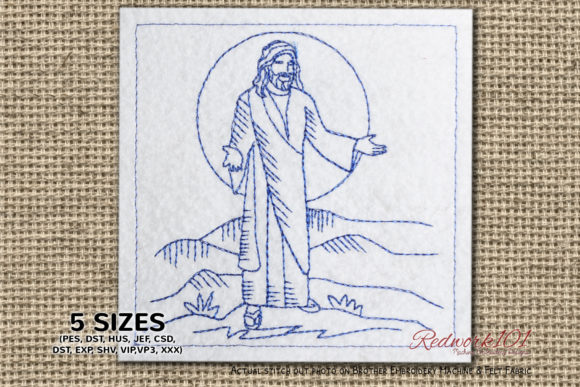
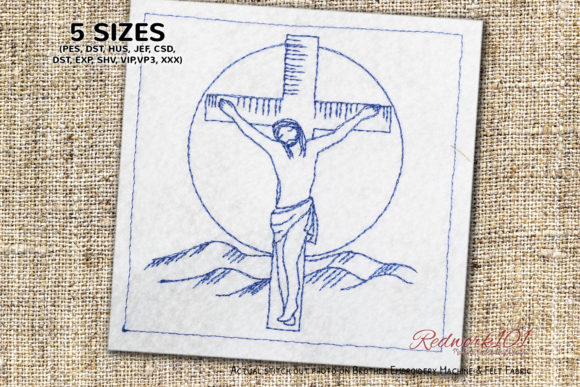
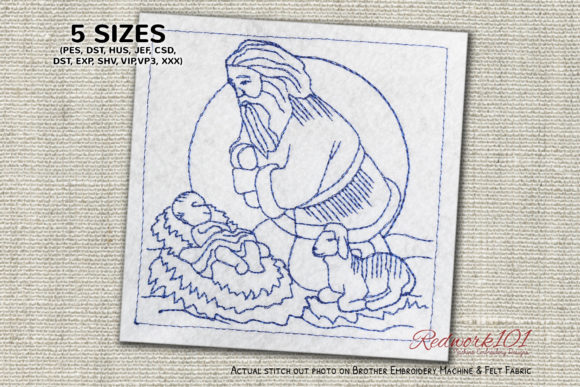
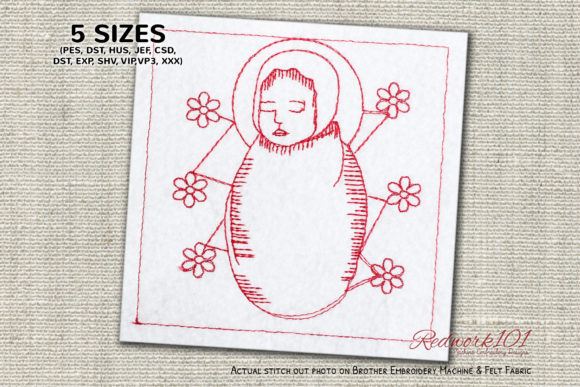
When I first opened the Baby Jesus Born Redwork Design, its simplicity struck me. This isn't a loud, complex holiday graphic. It’s a quiet, focused illustration that tells its story through clean lines and a single, powerful color theme. The mood is reverent and classic, leaning towards a vintage or traditional aesthetic that feels both timeless and deeply personal. As an embroidery designer, I immediately saw this not as a mass-market flash, but as a design for thoughtful projects. The layout is centered and balanced, the detail level is moderate—enough to convey the scene clearly without overwhelming a smaller hoop—and its visual personality is gentle. It belongs on projects meant to be cherished.
Where This Design Finds Its True Home
This embroidery design’s strength lies in its versatility for specific, meaningful products. I picture it stitched onto a cozy sweatshirt for a holiday gift, becoming a personal statement rather than just decoration. It’s a perfect candidate for a custom embroidered tote bag that a small shop could offer, or a delicate addition to a pillow cover for nursery decor. For crafters and Etsy sellers, it would translate beautifully onto tea towels or aprons as a seasonal kitchen accent. Its theme makes it a natural fit for personalized gifts like baby clothes or commemorative blankets. In a real-life scenario, I'm considering it for a client who wants a set of hand-embroidered holiday gifts for her family—this design feels giftable, conveying warmth and care through the handmade presentation.
The design also holds potential as a embroidered patch, which could be applied to various items, or as a focal point on a cap for a subtle festive touch. For digital product sellers, this embroidery file is a solid design asset for commercial embroidery projects like small-batch merchandise for a boutique. Its clarity in printable mockups would help customers visualize the finished product easily, boosting buyer engagement.
Navigating the Practical Stitching Landscape
Performance on real fabrics is where a design proves its worth. For the Baby Jesus Born design, its reliance on outline and likely running stitch or satin stitch details means it will excel on stable, medium-weight fabrics. Think of cotton blends for tote bags, fleece for sweatshirts, or linen for pillow covers. The visual appeal comes from crisp lines, so stitch density and thread color contrast are paramount. On a light background, a classic red thread will pop beautifully, enhancing the product value through clean execution. On darker fabrics, you’ll need to carefully select a thread that maintains enough contrast to keep the scene recognizable—a deep crimson or even a gold might be interesting alternatives for a different look.
Caution Zones: Where to Test First
This design should be approached carefully on a few surfaces. Very small hoop sizes might compromise the clarity of smaller details within the illustration. Textured fabrics like thick sweaters or stretchy fabric like t-shirts require excellent stabilizer choice and hooping technique to prevent distortion. Detailed corners and any potential tiny lettering (if present) need to be inspected in a test stitch-out to ensure they remain clean. For products destined for frequent washing, like baby clothes or kitchen items, a robust stitch construction is key—testing on scrap fabric first is non-negotiable here. Curved surfaces like caps present a challenge for any design with a rectangular or centered layout; adapting the placement or using additional stabilization techniques would be wise.
The optional box stitch mentioned in the description is an interesting element. Since the color of the outer box can vary, this gives you creative control. You can integrate it for a framed, finished look on a patch or apron, or skip it entirely for a more integrated, soft appearance on apparel. This flexibility is a plus for creative entrepreneurs tailoring the design to different products.
The Impact on Your Craft and Business
From a professional standpoint, using a design like this effectively affects several layers of your work. The stitching clarity directly influences customer trust and perceived professionalism. A well-executed version of this classic scene on a handmade product speaks to care and skill. For brand consistency, if your small shop specializes in traditional or faith-based crafts, this design aligns perfectly, strengthening your collection. Its giftability and instant recognition of the Christmas theme make it an easy sell at craft fairs or in online listings.
For apparel decorators and commercial embroidery businesses, it offers a tasteful option for clients seeking holiday designs that are respectful and not overly commercial. It elevates a simple garment into a personalized product.
Essential Designer Notes Before You Hoop
- Always test on scrap fabric first. Use the same material and stabilizer you plan for the final project. This reveals any issues with stitch density or detail loss.
- Check thread color contrast against your final fabric. Don’t assume the red shown will work on every background. Create black and white mockups to check value contrast, and compare on both light and dark fabric backgrounds digitally if possible.
- Confirm your hoop size can accommodate the design comfortably. Crowding a design into a too-small hoop is a common mistake that reduces clarity.
- Inspect the small details in the preview. Look for any areas that might become overly dense or too thin.
- Use proper stabilizer. This is not an afterthought; it’s foundational for a clean finish, especially on challenging fabrics.
- Clarify the licensing. Before selling finished items or digital products using this design, confirm the licensing terms. Understand whether it’s approved for both personal and commercial projects.
Remember, the product description notes that specific elements like the box stitch are optional and variable. This means your pre-project review should focus on the core design. As an experienced designer, I judge a design by how it translates from screen to thread. The Baby Jesus Born Redwork Design has a straightforward elegance that, with practical attention to fabric, thread, and technique, will result in a finished product that feels both handmade and professionally crafted. It’s a design that serves the maker and the recipient equally well, which is the mark of a worthwhile embroidery project.