A Gamer's Welcome Home Embroidered Design
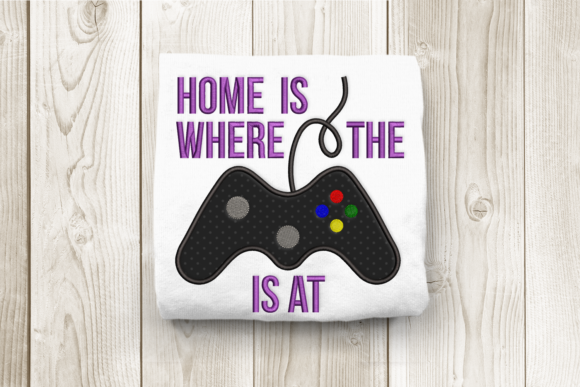
As an embroidery designer preparing for a weekend craft fair, my first task is reviewing potential designs. The one titled Home is Where the Game System is at immediately caught my eye. It's a fun, applique-based concept perfect for any geeky gamer, featuring a game controller with text around it. The sentiment is clear and relatable: staying home is no biggie because that’s where you have your video games. My initial impression is that this design leans toward a modern, humorous, and slightly bold aesthetic. It's not minimal or rustic; it's a decorative statement piece that speaks directly to a specific, passionate audience. This is a strong starting point for a craft fair product.
Where This Design Stands Out on the Booth Table
When imagining my display table filled with embroidered tote bags, aprons, tea towels, caps, and pillow covers, I evaluate where Home is Where the Game System is at would grab attention. It's not a generic "home sweet home" motif. Its niche appeal means it won't be for every customer, but for the right one, it will be an instant favorite. I picture it shining on products meant for personal, daily use or as a gift for a gaming enthusiast. On a tote bag or a market bag carried around, it acts as a public badge of identity. On a pillow cover in a living room or gaming den, it becomes a personalized decor item. This design has the potential to transform a standard handmade product into a highly specific, meaningful purchase.
Product Performance: From Tote Bags to Tea Towels
The success of a machine embroidery design at a fair hinges on how well it adapts to different mediums. For Home is Where the Game System is at, the applique style and circular text layout offer interesting possibilities.
- Tote Bags & Aprons: These larger surfaces are ideal. The design can be scaled to a prominent focal point. The bold game controller and text will read clearly from a distance, making it effective for booth display. On a canvas tote, the stitch density needs to be sufficient to withstand use.
- Caps & Patches: Applique on curved cap surfaces can be tricky, but a well-executed patch of this design could be a top seller. As a standalone embroidered patch, it offers versatility—buyers can add it to their own gear. This is a key product for the gamer market.
- Tea Towels & Pillow Covers: For home goods, the design adds a playful, personal touch. On textured towels, careful stabilizer choice is crucial to maintain detail. On a pillow cover, it becomes a soft, decorative accent.
- Small Pouches & Gift Items: At a smaller size, the design risks losing clarity, especially the small lettering around the controller. It might work better as a larger accent on a small pouch rather than a tiny central motif.
Overall, its best chance to sell is as a feature on products where the statement is front and center, like bags, patches, and home decor.
Practical Production & Selling Considerations
Turning this digital embroidery file into a viable craft fair product requires practical judgment.
First, visual clarity at a glance is excellent. The message is immediate. This is vital for both online listings like Etsy and in-person booth sales. Customers walking past will understand it quickly. For photography, the circular composition and likely color contrast should make it photograph well for digital mockups and finished product shots.
For batch production, the design feels repeatable. The applique elements might streamline production compared to pure fill stitching, but I'd need to verify the stitch count and file details. Consistency across multiple tea towels or tote bags would be manageable, boosting its value as a small shop product.
Careful-Use Notes for a Smooth Finish
- Small Lettering & Details: The text "Home is where..." encircling the controller is a potential challenge. On dense fabrics or at reduced sizes, this lettering could become muddy. Testing on scrap fabric is essential.
- Stitch Density & Fabric: Applique areas combined with embroidery could create dense sections. On lightweight fabrics for pouches or on textured tea towels, using the correct stabilizer is non-negotiable to prevent puckering.
- Dark Fabric & Contrast: This design likely relies on strong thread color contrast against the fabric. On dark fabric, the thread colors need to be bright and pop. This actually enhances its bold, modern feel.
- Hoop Size & Scaling: Before any commercial embroidery run, confirming the optimal hoop size for the intended product is a basic step. Scaling it down for a cap might compromise detail; scaling it up for a pillow cover could be perfect.
How This Design Elevates Your Handmade Booth
Home is Where the Game System is at affects several key areas for creative entrepreneurs.
Customer Attention & Engagement: It serves as a niche anchor in your display. It draws in gamers and those buying for them, creating a focused conversation point. This boosts buyer engagement compared to more generic designs.
Product Value & Handmade Quality: Well-executed on a high-quality tea towel or a sturdy tote bag, this design elevates the item from a simple utility product to a personalized, premium gift. The handmade embroidery showcases skill, especially if the applique is clean and the lettering sharp.
Booth Display Strength & Brand Consistency: For a boutique maker specializing in pop-culture or humorous designs, this piece strengthens your brand story. It shows depth in your catalog within the Games Leisure category. A sample tote bag with this design hung prominently at your booth acts as a powerful visual magnet.
Final Designer Notes Before Production
My professional checklist before committing this design to my craft fair inventory:
- Create a Real Mockup: Never rely solely on the digital file. Embroider it on the actual fabric you plan to sell—be it canvas, cotton, or linen. Compare how it looks on light versus dark fabric colors.
- Review Thread Contrast & Spacing: Stitch a test piece. Check if the thread colors provide enough pop against your standard fabric palette. Inspect the spacing of the lettering; is it legible?
- Inspect Stitch Density: Run the embroidery file and feel the finished test piece. Is it too stiff for a comfortable pillow cover? Is it durable enough for a bag?
- Confirm Commercial Licensing: This is paramount. Before selling any finished product, verify the license terms of the digital embroidery file. Ensure it allows for commercial use of the items you intend to produce and sell.
- Plan Your Product Line: Based on your tests, decide where it performs best. Perhaps it's a standout as an apron embroidery or an embroidered patch. Focus your production on those top-performing items to maximize your fair sales.
In conclusion, Home is Where the Game System is at is a promising embroidery design with clear market appeal. Its success will be determined by thoughtful application to the right products and meticulous attention to the practical details of embroidery production. For the Etsy seller or craft fair vendor looking to connect with a passionate community, this design offers a fun and engaging opportunity.